
November 28, 2026
Motherhood is a beautiful journey that brings significant physical and emotional changes. After childbirth, a mother’s body requires adequate nutrition, rest and care to recover and regain strength. Choosing the right after delivery food for mother is particularly important during this period.
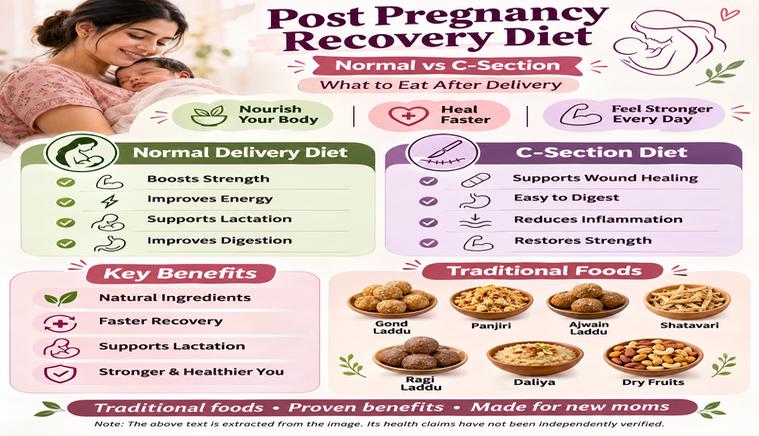
Indian families have traditionally followed special postpartum dietary practices that have been passed down through generations. From nourishing Harira and Gond Laddu to comforting Moong Dal Khichdi and Panjiri, traditional Indian foods offer a combination of essential nutrients, energy and warmth.
A balanced postpartum diet can support recovery, digestive health, breastfeeding and overall maternal well-being.
Why Is After Delivery Food for Mother Important?
Pregnancy and childbirth place considerable nutritional demands on a woman’s body. Following delivery, adequate nutrition helps replenish nutrients and meet the additional energy requirements associated with breastfeeding.
A nutritious postpartum diet helps support:
- Physical recovery after childbirth.
- Restoration of energy and strength.
- Healthy breastfeeding and nutritional requirements.
- Normal digestive function.
- Tissue healing and immune function.
- Overall physical and emotional well-being.
Traditional Indian postpartum foods often contain nuts, seeds, grains, pulses, ghee and selected spices that complement a balanced diet.
10 Best Traditional Indian Foods for Mothers After Delivery
1. Harira – Traditional Postpartum Nutrition
Harira is a traditional Indian preparation commonly consumed by new mothers, particularly in North Indian households. It is generally prepared using ingredients such as dry fruits, ghee, edible gum and selected traditional spices, although recipes vary across regions.
Harira is valued for its rich nutritional composition and comforting taste.
Potential nutritional benefits of Harira:
- Provides energy during postpartum recovery.
- Supplies healthy fats when prepared with nuts and seeds.
- Helps meet increased calorie requirements.
- Complements a balanced postpartum diet.
- Offers a convenient and traditional nourishing food option.
Harira can be consumed in moderate portions according to individual nutritional needs. It is an excellent traditional option for families searching for after delivery food for mother.
2. Gond Laddu
Gond Laddu is one of the most popular traditional Indian postpartum foods. It is commonly prepared using edible gum, wheat flour, ghee, nuts and sugar or jaggery.
Its energy-dense ingredients make it a convenient snack for mothers who require additional calories during recovery.
Benefits of Gond Laddu:
- Provides carbohydrates and fats for energy.
- Supplies nutrients from nuts and seeds.
- Helps meet additional energy requirements.
- Offers a satisfying traditional snack.
Moderate consumption is recommended because Gond Laddu can be high in calories and added sugar.
3. Panjiri
Panjiri is a traditional preparation widely consumed in Punjab and other parts of Northern India. It typically contains roasted wheat flour, ghee, dry fruits, seeds and sugar.
Panjiri has traditionally been included in postpartum diets because of its energy-rich ingredients.
It can be consumed as a small snack between meals or alongside milk, depending on individual dietary preferences.
4. Moong Dal Khichdi
Moong Dal Khichdi is a simple, comforting and nutritious meal for new mothers. Prepared using rice, split green gram and mild spices, it provides carbohydrates and plant-based protein.
Moong Dal Khichdi is particularly suitable for mothers who prefer light meals during the initial days following delivery.
Nutritional benefits include:
- Provides energy and plant-based protein.
- Offers a soft and easily consumed meal.
- Can contribute to daily fluid intake when prepared with additional water.
- Can be enriched with vegetables for additional nutrients.
5. Methi Laddu
Methi Laddu is traditionally prepared using fenugreek seeds, flour, ghee and jaggery.
Fenugreek has a long history of use in Indian postpartum dietary practices. However, scientific evidence regarding its ability to increase breast milk production remains limited and inconsistent.
Mothers should consume it in moderate food quantities and seek medical advice before using concentrated fenugreek supplements.
6. Ajwain Water
Ajwain, also known as carom seeds, is commonly used in Indian kitchens. Warm ajwain water is traditionally offered to new mothers as part of postpartum care.
It is often consumed for digestive comfort, although evidence supporting specific postpartum health benefits is limited.
Ajwain water should complement regular drinking water rather than replace it.
7. Dry Fruits and Nuts
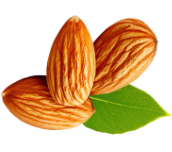
Almonds, walnuts, cashews, dates and raisins are commonly included in Indian postpartum diets.
These foods provide varying amounts of protein, healthy fats, fibre, vitamins and minerals.
A small portion of mixed nuts and dry fruits can serve as a convenient snack between meals and help mothers meet their nutritional requirements.
8. Ragi Porridge
Ragi, also known as finger millet, is a nutritious traditional Indian grain containing calcium, fibre and carbohydrates.
Ragi porridge can be prepared with milk or water and enjoyed as a nourishing breakfast.
Its calcium content makes it a valuable addition to a varied postpartum diet.
9. Green Leafy Vegetables
Spinach, fenugreek leaves, mustard greens and other seasonal vegetables provide important micronutrients and dietary fibre.
Including cooked green leafy vegetables in daily meals can contribute to iron, folate and overall nutritional intake.
Combining iron-rich plant foods with vitamin C-rich foods, such as lemon or amla, can improve iron absorption.
10. Milk and Dairy Products
Milk, curd and paneer are valuable sources of protein and calcium for mothers who tolerate dairy products.
These foods can support daily nutritional requirements during postpartum recovery and breastfeeding.
Mothers with lactose intolerance or milk allergies can consider suitable alternatives after consulting a healthcare professional.
Best After Delivery Food for Mother: Nutritional Comparison
| Traditional Food | Key Nutrients | Nutritional Role |
|---|---|---|
| Harira | Carbohydrates and fats, depending on recipe | Energy and nourishment |
| Gond Laddu | Carbohydrates and fats | Additional energy |
| Panjiri | Carbohydrates, fats and fibre | Energy-rich snack |
| Moong Dal Khichdi | Protein and carbohydrates | Balanced light meal |
| Methi Laddu | Fibre and carbohydrates | Traditional nourishment |
| Ajwain Water | Water and plant compounds | Fluid intake |
| Dry Fruits and Nuts | Healthy fats, protein and minerals | Nutrient intake |
| Ragi Porridge | Calcium, fibre and carbohydrates | Calcium and energy intake |
| Green Leafy Vegetables | Iron, folate and fibre | Micronutrient intake |
| Milk and Paneer | Protein and calcium | Tissue maintenance and bone health |
Indian Diet Chart for Mothers After Delivery
A balanced Indian postpartum diet should include a variety of traditional foods, fresh vegetables, fruits, protein-rich meals and adequate fluids.
| Meal Time | Recommended Food |
|---|---|
| Early Morning | Drinking water and a small portion of soaked almonds |
| Breakfast | Ragi porridge, vegetable poha or dalia |
| Mid-Morning | A small serving of Harira or seasonal fruit |
| Lunch | Chapati, dal, cooked vegetables, rice and curd |
| Evening Snack | Gond Laddu, Panjiri or mixed nuts |
| Dinner | Moong Dal Khichdi or chapati with vegetables and dal |
| Before Bed | Warm milk, if tolerated |
This general diet chart can be adjusted according to appetite, breastfeeding requirements, medical conditions and individual dietary preferences.
After Delivery Food for Mother Following a C-Section
Mothers recovering from a caesarean delivery require adequate nutrition to support surgical wound healing and physical recovery.
A balanced diet containing protein, iron, vitamin C, fibre and sufficient fluids is particularly important.
Suitable foods may include:
- Moong dal and other well-cooked pulses.
- Paneer, milk and eggs, according to dietary preferences.
- Fresh fruits and cooked vegetables.
- Whole grains and soft khichdi.
- Nuts and seeds.
- Moderate portions of traditional Harira.
Mothers should follow their doctor’s instructions regarding food intake after surgery, particularly during the initial recovery period.
Traditional Indian Foods for Breastfeeding Mothers
Breastfeeding mothers require adequate energy, protein, fluids and essential micronutrients.
Traditional Indian foods such as Harira, Panjiri, ragi, pulses, nuts and leafy vegetables can contribute to these nutritional requirements.
However, no individual food can guarantee increased breast milk production. Frequent and effective breastfeeding, appropriate attachment and adequate maternal nutrition are important factors in maintaining milk supply.
Mothers experiencing breastfeeding difficulties should consult a qualified lactation specialist or healthcare professional.
Foods to Limit After Delivery
Although postpartum mothers need additional nutrition, certain foods should be consumed in moderation.
These include:
- Excessively sugary foods and sweets.
- Deep-fried and highly processed foods.
- Excessive caffeine.
- Foods containing high amounts of salt.
- Unpasteurised dairy products and unsafe or undercooked foods.
- Unverified herbal supplements.
There is generally no need to avoid nutritious fruits, vegetables or pulses solely because of traditional postpartum food restrictions unless a healthcare professional advises otherwise.
How Long Should Mothers Follow a Postpartum Diet?
In many Indian households, the first 40 days following childbirth are considered an important period of postpartum care.
During this time, mothers traditionally receive nourishing meals, additional rest and family support.
However, nutritional requirements continue beyond the initial 40 days, especially for breastfeeding mothers. A balanced diet should remain part of everyday life throughout postpartum recovery and breastfeeding.
Traditional foods such as Harira can be incorporated into the diet according to individual energy requirements and preferences.
Why Choose Traditional Harira After Delivery?
Preparing traditional postpartum foods at home can require considerable time and effort, particularly for families managing the responsibilities of caring for a newborn.
Harira offers a convenient way to incorporate traditional Indian nourishment into a new mother’s daily routine.
Happy Life India Harira is an option for families looking to include traditional Indian foods in their postpartum diet without the effort of preparing Harira from scratch.
Enjoy it according to the preparation instructions and as part of a balanced diet that includes fresh fruits, vegetables, protein-rich foods and adequate fluids.
Explore Happy Life India Harira and bring traditional nourishment into your postpartum journey.
Frequently Asked Questions
1. Which food is best for mothers after delivery?
A combination of protein-rich foods, whole grains, vegetables, fruits, dairy products, nuts and traditional preparations such as Harira provides varied nutrition during postpartum recovery.
2. Is Harira good for mothers after delivery?
Harira is a traditional energy-rich preparation that can complement a balanced postpartum diet. Its nutritional value depends on the ingredients and serving size.
3. What should an Indian mother eat during the first 40 days after delivery?
Mothers can consume balanced meals containing dal, chapati, rice, vegetables, fruits, milk, nuts, khichdi and moderate portions of traditional foods such as Harira and Panjiri.
4. Can mothers eat Harira after a C-section?
Harira may be included once normal food intake is permitted and tolerated. Mothers should follow their doctor’s postoperative dietary advice.
5. Which Indian foods increase breast milk production?
Fenugreek, fennel and certain traditional preparations are commonly associated with breastfeeding support. However, evidence of their effectiveness is limited. Adequate nutrition and effective, frequent breastfeeding remain important.
6. Can Harira be consumed daily after delivery?
Harira may be consumed daily in appropriate portions, depending on its ingredients, calorie content and the mother’s individual nutritional requirements.
7. Is Gond Laddu better than Harira after delivery?
Both are traditional Indian postpartum foods. Their nutritional value varies according to their ingredients and preparation. Either can be included in moderation as part of a balanced diet.
Conclusion
Choosing the right after delivery food for mother is an important part of postpartum care. Traditional Indian foods such as Harira, Gond Laddu, Panjiri, Moong Dal Khichdi, ragi and dry fruits offer a meaningful combination of cultural tradition and nutritional value.
By combining traditional nourishment with balanced meals, adequate hydration and sufficient rest, new mothers can support their recovery and overall well-being.
Happy Life India celebrates traditional Indian food practices by offering convenient food options for modern families.
Nourish motherhood with the goodness of Indian traditions.
Disclaimer: This article is intended for general nutritional awareness and does not replace professional medical advice. Mothers with diabetes, food allergies, surgical complications or other medical conditions should consult their healthcare professional regarding postpartum dietary requirements.