

November 20, 2026
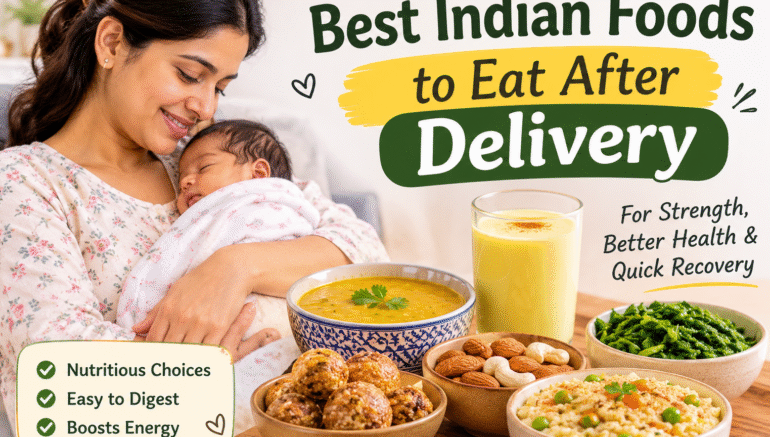
Welcoming a baby is a beautiful experience, but childbirth also brings significant physical changes. After delivery, a mother’s body needs adequate nourishment, rest and care. Choosing the right food to eat after delivery can help meet nutritional needs during recovery and breastfeeding.
Indian households have a rich tradition of preparing special foods for new mothers. From comforting moong dal khichdi to dry fruit preparations such as Harira, these foods have been passed down through generations.
But which foods should a new mother include in her diet? How can traditional Indian postpartum foods fit into modern nutritional recommendations?
In this guide, we explore 21 Indian foods to eat after delivery, their nutritional contributions, and how traditional Harira can be incorporated into a balanced postpartum diet.
Why Is a Healthy Diet Important After Delivery?
Pregnancy and childbirth place considerable demands on the body. After delivery, mothers need adequate energy, protein, vitamins, minerals and fluids to support normal bodily functions and recovery.
Breastfeeding can also increase nutritional requirements.
According to guidance published by India’s National Health Mission, lactating mothers should consume a varied diet containing energy-rich foods, protein sources and important micronutrients.
A balanced post-delivery diet can help mothers:
- Meet increased nutritional requirements during breastfeeding.
- Obtain protein needed for normal tissue maintenance and repair.
- Consume iron-rich foods as part of efforts to address postpartum iron needs.
- Maintain adequate energy intake during a demanding period.
- Support digestive health through appropriate fibre and fluid intake.
No single food can provide everything a new mother needs. The best approach combines everyday nutritious meals with suitable traditional foods.
20 Best Indian Foods to Eat After Delivery
1. Harira – A Traditional Indian Postpartum Food
Harira holds a special place in Indian postpartum food traditions, particularly in parts of North India.
Traditionally prepared using combinations of dry fruits, ghee, spices and other ingredients, Harira is often served to new mothers as part of family post-delivery food customs.
Depending on its recipe, Harira can contribute dietary energy, fats and nutrients from nuts and seeds.
For generations, families have prepared Harira at home. Today, packaged options make it easier to enjoy this traditional preparation without the time required for sourcing and preparing multiple ingredients.
Discover Happy Life Harira: A traditional dry fruit and herbal preparation designed for convenient enjoyment.
2. Moong Dal Khichdi
Moong dal khichdi is a familiar Indian comfort food prepared using rice, lentils and mild spices.
It provides carbohydrates and plant-based protein. Vegetables can be added to increase dietary variety.
Its soft texture also makes it a convenient meal for mothers who prefer simple, home-cooked food.
3. Dalia (Broken Wheat Porridge)
Dalia is prepared using broken wheat and can be served as a sweet or savoury dish.
It contributes carbohydrates and fibre, particularly when prepared using whole-grain broken wheat.
Milk, vegetables, lentils or nuts can be added depending on dietary preferences.
4. Panjiri
Panjiri is a traditional North Indian preparation commonly associated with postpartum food customs.
It often contains roasted flour, ghee, nuts and seeds.
Because it can be energy-dense, portion sizes should be adjusted according to individual nutritional requirements.
5. Gond Ke Laddu
Gond laddus are traditionally prepared using edible gum, flour, ghee, nuts and sweeteners.
They are popular in several Indian communities during the postpartum period.
These laddus can contribute dietary energy, although claims about specific healing effects should not be treated as established medical benefits.
6. Almonds
Almonds provide dietary fats, plant protein, fibre and vitamin E.
They can be eaten as a snack or incorporated into porridge and other foods.
Mothers with nut allergies should avoid them.
7. Walnuts
Walnuts contain unsaturated fats, including plant-based omega-3 alpha-linolenic acid.
They can be incorporated into a varied diet in moderate portions.
8. Milk and Dairy Products
Milk, curd and paneer provide protein and calcium.
These foods can be useful components of a balanced postpartum diet when tolerated.
Fortified dairy products may also contribute vitamin D, depending on their formulation.
9. Ragi (Finger Millet)
Ragi is a traditional millet used in porridge, rotis and other Indian dishes.
It provides carbohydrates, fibre and calcium.
Ragi porridge can be prepared with milk or other suitable ingredients.
10. Green Leafy Vegetables
Spinach, amaranth, methi leaves and other leafy vegetables provide vitamins, minerals and fibre.
They can be included in dal, sabzi, soups and other everyday meals.
11. Lentils and Pulses
Dal, chickpeas, rajma and other pulses provide plant protein and fibre.
They also contribute iron and other minerals.
Combining pulses with vitamin C-rich foods can help improve absorption of non-haem iron.
12. Seasonal Fruits
Fruits such as oranges, guava, papaya, apples and bananas contribute vitamins, fibre and other nutrients.
A variety of fruits can help diversify the postpartum diet.
13. Sesame Seeds
Sesame seeds contain fats, protein and minerals, including calcium.
They can be incorporated into chutneys, traditional preparations and suitable homemade snacks.
14. Vegetable Soup
Vegetable soup offers a convenient way to include vegetables and fluids in meals.
Adding lentils, beans or other protein sources can make it more nutritionally substantial.
15. Oats
Oats provide complex carbohydrates and soluble fibre.
They can be prepared as porridge with milk, fruits, nuts or seeds.
Oats are a convenient breakfast option, although they are not a proven treatment for low breast milk supply.
16. Sweet Potatoes
Sweet potatoes contribute carbohydrates, fibre and, in orange-fleshed varieties, beta-carotene.
They can be boiled, roasted or added to other dishes.
17. Curd and Buttermilk
Curd provides protein and calcium and may contain live cultures depending on how it is prepared.
Plain curd and appropriately prepared buttermilk can be included if they suit the mother’s digestion.
18. Rice and Roti
Rice and whole-wheat roti are common staples in Indian meals.
They supply carbohydrates that contribute to daily energy intake.
Combining them with dal, vegetables and protein-rich foods helps create balanced meals.
19. Fish or Well-Cooked Lean Meat
For mothers who consume non-vegetarian foods, fish and lean meat can provide protein, iron and other nutrients.
Low-mercury fish choices are preferable during breastfeeding, and meat should be cooked safely.
20. Dry Fruit and Seed Preparations
Traditional dry fruit mixtures combine ingredients such as nuts, seeds, ghee and spices.
These preparations may be useful as energy-dense additions to a balanced diet.
Harira is one example of a traditional preparation that brings together dry fruit and herbal food traditions.
Traditional Harira vs Other Postpartum Foods
Indian families prepare a variety of traditional foods after childbirth. Although they share some ingredients, their preparation methods and nutritional compositions differ.
| Food | Common ingredients | Traditional form |
|---|---|---|
| Harira | Dry fruits, ghee, spices and recipe-specific ingredients | Varies from warm preparations to richer mixtures |
| Panjiri | Roasted flour, ghee, nuts and seeds | Crumbly or granular |
| Gond Laddu | Edible gum, flour, ghee and nuts | Sweet balls |
| Methi Laddu | Fenugreek, flour, ghee and other ingredients | Sweet balls |
| Dalia | Broken wheat, water or milk | Porridge |
The best choice depends on personal preferences, nutritional needs, ingredient tolerance and serving size.
Why Choose Happy Life Harira?
Preparing traditional Harira at home can involve purchasing multiple ingredients, cleaning, roasting, blending and storing them.
For families looking for a more convenient option, Happy Life Harira offers a packaged preparation inspired by traditional Indian food practices.
Traditional Food Heritage
Happy Life Harira draws on the longstanding Indian tradition of preparing dry fruit and herbal foods for family nourishment.
Convenient Preparation
A packaged preparation can reduce the time and effort required to source and combine ingredients separately.
Dry Fruits and Herbs
Happy Life describes its Harira as a blend of dry fruits, herbs and spices. Customers should check the product label for the complete ingredients, allergens and nutritional information.
A Thoughtful Food Gift
Traditional foods often form part of the support families provide after childbirth.
For someone who enjoys Harira and whose dietary needs permit it, a packaged Harira preparation may be a thoughtful addition to a new-mother food hamper.
Bring home the taste of a traditional Indian preparation.
Explore Happy Life Harira Products

Food to Eat After Delivery: Simple Indian Diet Chart
A varied diet is generally more useful than relying on any one traditional food.
The following is an example of how different foods can be included throughout the day.
| Meal | Food options |
|---|---|
| Breakfast | Vegetable dalia, milk or eggs |
| Mid-morning | Seasonal fruit and a small portion of nuts |
| Lunch | Roti or rice, dal, cooked vegetables and curd |
| Evening snack | A suitable portion of a traditional food such as Harira |
| Dinner | Khichdi or roti with vegetables and a protein source |
| Additional snacks | Fruit, milk, nuts or other suitable foods according to appetite |
This is a general example, not an individualised medical diet plan. Meal quantities should be adjusted to personal needs, breastfeeding status and medical advice.
What Foods Should Mothers Limit After Delivery?
New mothers do not generally need to follow unnecessarily restrictive food rules.
However, a few precautions are helpful:
- Limit foods high in added sugar when they displace more nutritious options.
- Avoid alcohol during breastfeeding where possible.
- Follow appropriate food safety practices.
- Avoid ingredients that cause known allergies.
- Check with a healthcare professional before using concentrated herbal supplements.
- Follow individual medical advice for conditions such as diabetes, anaemia or postoperative complications.
Traditional foods can be enjoyed alongside a nutritionally balanced diet rather than replacing important food groups.
Frequently Asked Questions
What is the best food to eat after delivery for an Indian mother?
There is no single best food. A balanced combination of lentils, whole grains, vegetables, fruits, dairy or suitable alternatives, and protein-rich foods can meet a range of nutritional needs. Traditional preparations such as Harira may also be included when appropriate.
Which Indian foods are commonly eaten after normal delivery?
Common options include khichdi, dalia, dal, vegetables, fruits, nuts and traditional postpartum preparations. Food choices should reflect appetite, dietary tolerance and medical advice.
What should a mother eat after a C-section?
After a C-section, mothers should follow the healthcare team’s guidance on resuming food. Once permitted, balanced meals with adequate protein, energy and fluids are important.
Is Harira good for new mothers?
Harira is traditionally associated with postpartum food practices. Depending on its ingredients, it can contribute dietary energy and nutrients. It is not a substitute for medical care or a balanced diet.
Can breastfeeding mothers eat Harira?
Breastfeeding mothers may be able to include Harira if the ingredients are suitable for them. However, Harira has not been conclusively shown to increase breast milk production.
Can Harira be included in a daily diet?
Harira may be included according to individual dietary needs and portion sizes. Its nutritional composition should be considered, particularly if it contains significant amounts of ghee, nuts or sweeteners.
Where can I buy Harira online in India?
Customers interested in packaged Harira can explore the range available from Happy Life India and review the product information before purchasing.
Shop Happy Life Harira
Shop Amazon
Conclusion
A nutritious post-delivery diet should provide adequate energy, protein, vitamins, minerals and fluids. Traditional Indian foods such as khichdi, dalia, panjiri, nuts and Harira can contribute variety and cultural familiarity to a mother’s meals.
Harira remains a valued part of Indian postpartum food traditions, connecting modern families with recipes and practices passed down through generations.
For families who enjoy traditional dry fruit preparations but prefer a convenient packaged option, Happy Life Harira offers a way to explore this food heritage.
Discover Happy Life Harira and bring a traditional Indian favourite into your home.




Very informative and helpful blog! It beautifully explains the importance of proper nutrition after delivery and highlights traditional Indian foods that support a mother’s recovery. Loved the inclusion of Harira and other healthy food options.
Amazing blog! very informative
So informative.
Very helpful blog, explained everything in simple words. Good list of foods, really useful information.
An informative blog highlighting the importance of traditional Indian foods for postpartum recovery and nutrition.